
Reviewed · WILDLIFE
National Kiwi Hatchery – Kiwi Encounter Guided Tour
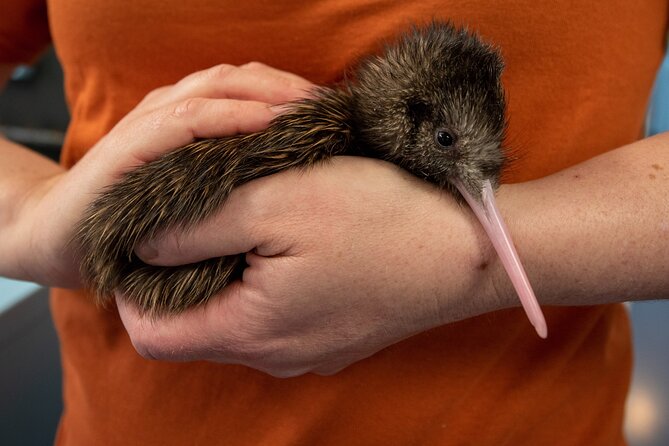
Rotorua’s National Kiwi Hatchery lets you see the work behind one of New Zealand’s most important conservation programs. The best moments come when a guide points out a kiwi egg, a freshly hatched chick, or an adult bird quietly foraging in the dark Nocturnal House. This is not a petting-zoo visit. The birds stay behind glass, and the setting is kept dark and quiet.
I like the way the tour connects the whole kiwi life cycle, from egg incubation to adult birds. I also like that your $47.74 admission helps fund the hatchery rather than simply paying for an animal display. The main drawback is timing: outside September through March, you may not see an egg or chick, and photography is not allowed.
Key points to know before you go
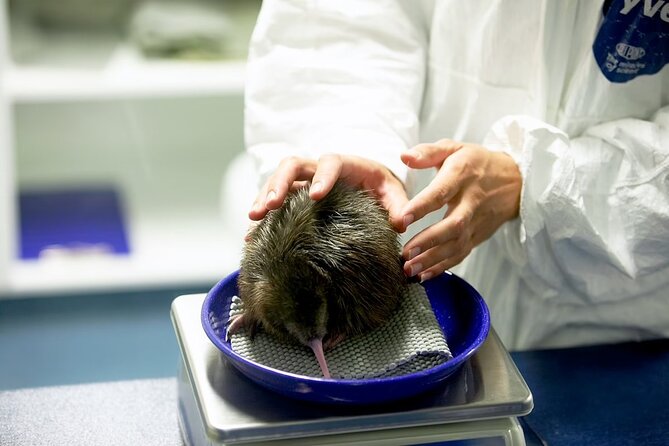
- Kiwi chicks are most likely from September through March: This is the hatchery season, when you may see eggs, health checks, weighing, feeding, or newly hatched birds.
- Adult kiwi appear in a dark enclosure: The Nocturnal House gives you the best chance to see these night-active birds moving and foraging.
- The tour lasts about one hour: It is easy to fit into a Rotorua day and works well as an indoor activity in wet weather.
- Your ticket supports conservation work: Entry fees go back into the kiwi hatching program.
- Children must be at least five: Younger children cannot take part in the experience.
- No photography inside the kiwi areas: Bring your attention, not your camera, and expect birds behind glass.
Why the National Kiwi Hatchery matters
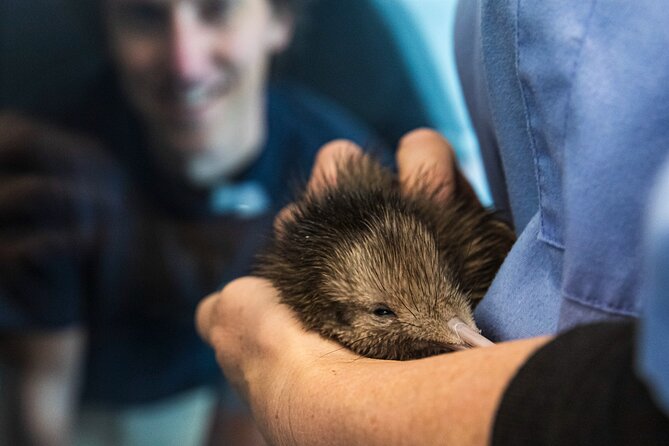
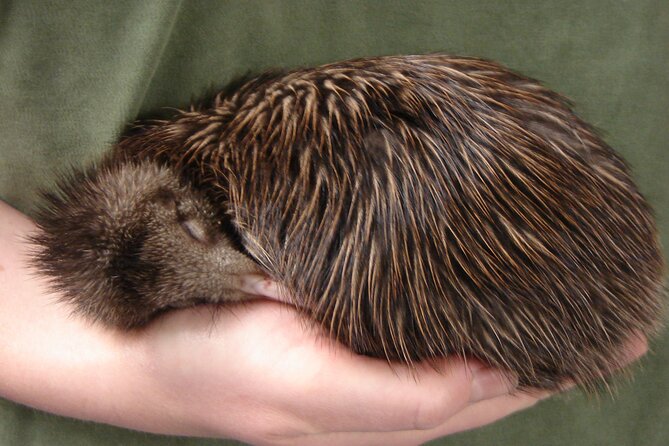
A kiwi is more than New Zealand’s national symbol. It is an endangered bird that needs careful protection before it can survive in the wild. The National Kiwi Hatchery focuses on the practical work: incubating eggs, hatching chicks, raising young birds, and preparing them for the next stage of their lives.
That makes this experience different from simply hoping to spot a kiwi in a zoo enclosure. You see the people, equipment, and routines that give vulnerable chicks a better chance. The guide explains why eggs need special care and how the hatchery supports the wider effort to grow kiwi numbers.
I find that context important. A cute baby bird can make for a memorable photograph, but the stronger part of this visit is understanding why the bird is in human care at all. The hatchery shows conservation as patient daily work rather than a grand promise.
The facility is at the Agrodome in Rotorua. Your ticket includes the return shuttle from the Agrodome check-in area to the hatchery, so you do not need to arrange a separate ride between those points. Hotel pickup and drop-off are not included.
More wildlife in Rotorua:
- Rotorua: The National Kiwi Hatchery Kiwi Encounter Tour
★ 4.7 · 671 reviews - Rotorua: 6 Ziplines, Swing-Bridges & Wildlife Encounters
★ 4.9 · 347 reviews - Rotorua: Authentic Kiwi Farm Experience at the Agrodome
★ 4.8 · 270 reviews
What happens during the one-hour visit
The experience takes place in a purpose-built facility and follows a clear path through kiwi care. You begin with an introduction to the birds and the hatchery program, then move into the areas where eggs, chicks, and adult kiwi can be observed.
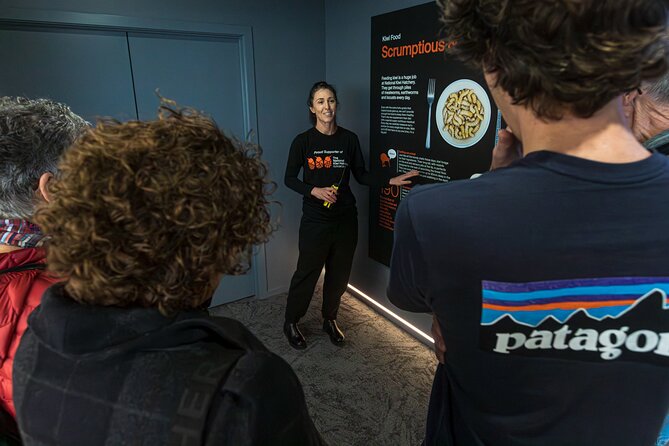
The guide uses presentations, video, quizzes, and physical examples to explain the kiwi’s life cycle. That variety helps keep the hour moving, especially for families. You are not expected to absorb a long technical lecture. Instead, the information is tied to what you are about to see.
Guides such as Theresa, Teresa, Carol, Nico, and Kai have been praised for bringing warmth and humor to the explanations. The exact guide depends on your departure, but you can expect a staff-led experience rather than a self-guided walk through displays. Ask questions as you go. The format is designed to explain not just what a kiwi looks like, but why its care is so demanding.
The hatchery experience may include a close look at eggs under incubation and the systems used to hatch them. During the September to March season, you might see a chick receiving a health check, being weighed, or being fed. You might also see birds at different ages, which helps make the life cycle easier to understand.
Do keep your expectations flexible. Even during hatching season, the availability of eggs or chicks can change from day to day. A hatchery is working with live animals, not putting on a fixed show. You could see a newly hatched chick, or you could spend more time learning about the process and observing adult kiwi.
Seeing adult kiwi in the Nocturnal House
The Nocturnal House is the emotional center of the visit for many people. Kiwi are active at night, so the enclosure is dark and quiet. That can feel unusual at first, but the low light is part of giving the birds a more natural setting.
Look for movement close to the ground. Kiwi forage as they walk, and the encounter can be surprisingly intimate when one comes near the viewing glass. You may see one adult bird, or you may get lucky and see two or three resident kiwi during the visit. The birds do not perform on command, so patience matters.
The enclosure is carefully arranged to resemble the conditions kiwi need, and the guide helps you understand what you are seeing. You may notice a long beak working through the ground or a bird moving with its distinctive shape. The dark room makes the sighting feel more authentic, but it also means you should not expect a bright, clear view every second.
Photography is not allowed. This is a real limitation if you like to document every stop, but it protects the birds from disturbance and keeps the room calm. I would treat the restriction as part of the experience. You are there to watch the kiwi behave, not to collect a picture through glass.
The interactive kiwi burrow
After the guided portion, the interactive kiwi burrow gives you another way to understand the bird’s world. It helps show how a kiwi lives and develops, from egg to adult.
This section is especially useful for children who need something hands-on after the darker viewing area. The hatchery combines physical examples, visual displays, and interactive elements, so younger visitors can connect the facts to something they can see and explore.
The burrow also adds balance to the visit. The Nocturnal House is about watching a living bird in a quiet space. The burrow is about learning at your own pace. Together, the two sections make the hour feel fuller than a simple enclosure visit.
A few more things to do in Rotorua worth a look
- Rotorua: Hell’s Gate Outdoor Mud Spa & Guided Walk
★ 4.7 · 1,140 reviews - Rotorua Duck Boat Guided City and Lakes Tour
★ 5.0 · 604 reviews - Whakarewarewa Village Guided Tour
★ 4.5 · 477 reviews - Te Puia: Te Rā Guided Day Tour
★ 4.6 · 396 reviews
The best season for eggs and chicks
If seeing a baby kiwi is your main goal, plan for the hatchery period from September through March. This is when you have the highest chance of seeing eggs, chicks, or care procedures such as weighing and feeding.
The phrase highest chance matters. It does not mean a chick is guaranteed. Hatching schedules follow the birds, not the calendar on your booking confirmation. You might see a newly hatched chick, a bird a few days old, or a young kiwi preparing to move toward an outdoor enclosure. At other times, you may see no chick at all.
Outside September through March, the visit still has value. You can observe adult kiwi in the Nocturnal House, learn about egg incubation and chick rearing, and explore the burrow. If your schedule only allows a visit outside the main hatching months, I would still consider going if seeing a live kiwi matters to you.
The season also affects how memorable the visit may feel. A newly hatched chick is an extraordinary sight, but the conservation story does not depend on catching that particular moment. The adult birds and the hatchery work remain the main attraction.
What makes the price worthwhile
At $47.74 per person, this is not the cheapest short activity in Rotorua. The visit lasts about an hour, and some of that time may involve explanations and displays rather than direct animal viewing.
The value comes from three things. First, you receive a guided explanation of a serious conservation program. Second, you have a genuine chance to see kiwi, a bird that is difficult to encounter in the wild. Third, the money supports the hatching program itself.
That last point changes how I view the admission price. You are paying for access, but you are also helping fund the work that protects the birds. If you only want a quick animal photo, the cost may feel high, especially because photography is prohibited. If you want to understand kiwi conservation and support it directly, the price is easier to justify.
The tour is also useful as a rainy-day choice. Rotorua weather can disrupt outdoor plans, while this experience is mostly indoors, with only a short walk between buildings. The included shuttle from the Agrodome check-in zone adds convenience.
A good family stop, with one age limit
Families with children aged five and above should find the format manageable. The quiz, video, burrow, and live birds provide enough variety to hold attention, while the one-hour duration avoids turning the visit into a long museum session.
The minimum age is strict: children under five cannot participate. That is worth checking before you build the activity into your family plans. The dark enclosure and quiet viewing style may also suit older children better than toddlers, even though the experience is family-friendly overall.
For adults, the tour has enough substance to avoid feeling like a children’s attraction. The staff explain conservation, incubation, and kiwi behavior in practical terms. Guides including Nico and Kai have been praised for answering questions clearly, while Theresa, Teresa, and Carol have been noted for friendly presentations and a good sense of humor.
Practical details for your Rotorua day
Plan to arrive at least 15 minutes before departure. The hatchery is on the Agrodome property, and your shuttle leaves from the check-in zone there. Build in enough time to find the correct area rather than arriving at the last minute.
There is no hotel pickup or drop-off. You need to make your own way to the Agrodome, though the facility is near public transportation. Food and drinks are not included, so handle those before or after the tour rather than expecting a café stop as part of the experience.
The mobile ticket is useful for a flexible Rotorua itinerary. Confirmation is provided when you book, and free cancellation is available if you cancel at least 24 hours before the start time. Changes or cancellations inside that window are not accepted for a refund.
Most people can participate, but remember that the experience is built around looking through viewing areas and walking between sections. The information provided does not promise wheelchair details, so if you need specific access arrangements, check with the provider before booking.
Who should book this experience
I would choose this tour if you want to see a kiwi in a responsible setting and learn where conservation funding goes. It is also a smart pick if rain has spoiled your outdoor plans or if you want a short, focused activity between Rotorua’s larger attractions.
Animal lovers will find plenty here, but you do not need to be an expert. The guide-led format explains the basics clearly, and the chance to see eggs, chicks, or adults gives the information a real purpose.
I would think twice if your only aim is guaranteed access to a baby kiwi or a full hour of close animal viewing. The birds are shy, nocturnal, and protected from flashes and disturbance. Some tours will have more live sightings than others, and photography is not part of the deal.
Should you book the National Kiwi Hatchery?
For most people visiting Rotorua, yes. The National Kiwi Hatchery offers something you cannot easily replace with a standard wildlife display: a look at the work of protecting New Zealand’s national bird from egg to adult.
Book during September through March if a chick is especially important to you, but accept that nature controls the schedule. Outside that period, go for the adult kiwi, the Nocturnal House, the burrow, and the conservation story.
At $47.74, it is best viewed as both an attraction and a contribution to kiwi protection. If that purpose matters to you, the hour is well spent. Just arrive early, leave your camera put away, and let the quiet room do its work.
FAQ
How long does the National Kiwi Hatchery tour last?
The guided experience lasts approximately one hour.
Where is the National Kiwi Hatchery located?
The hatchery is located onsite at the Agrodome in Rotorua, New Zealand.
What is the best time to see kiwi chicks?
The hatching season runs from September through March. During this period, you have the highest chance of seeing eggs, newly hatched chicks, health checks, weighing, or feeding.
Can I see adult kiwi outside the hatching season?
Yes. Outside the September to March hatching period, you can still see resident adult kiwi foraging in the Nocturnal House.
Are children allowed on the tour?
Children can participate if they are at least five years old. Children under five cannot take part.
Is photography allowed inside the hatchery?
No. Photography is not allowed, and the kiwi and displays are viewed behind glass.
Is transportation included?
Return shuttle transportation from the Agrodome check-in zone to the hatchery is included. Hotel pickup and drop-off are not included.
Just added in Rotorua
- 15-Minute Crater Lakes Flight by Floatplane from Rotorua★ 4.5 · 11 reviews
- Whaka Geothermal Trails Self-Guided Tour★ 3.5 · 44 reviews
- Rotorua: Scenic Flight over Mt Tarawera & Waimangu Valley★ 4.9 · 25 reviews
- Mt Tarawera Helicopter Tour with Volcano Landing★ 5.0 · 40 reviews
- Mt. Tarawera Volcano Scenic Floatplane Tour from Rotorua★ 5.0 · 42 reviews
- Rotorua Highlights Inc. Te Puia & Secret Spot Hot Tubs Day Tour★ 4.5 · 129 reviews
- Lake Rotoiti Evening Kayak Tour including Hot Springs, Glowworm Caves and BBQ Dinner★ 5.0 · 60 reviews
- Mountain Jade Highlights Tour★ 5.0 · 31 reviews
Wildlife, compared.
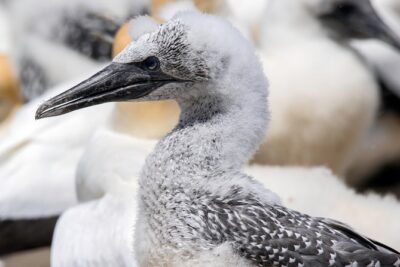
Gannet Safaris Overland tour to Cape Kidnappers Gannet Colony
Read our review →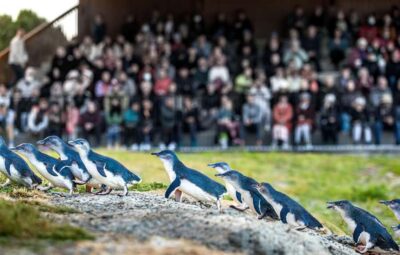
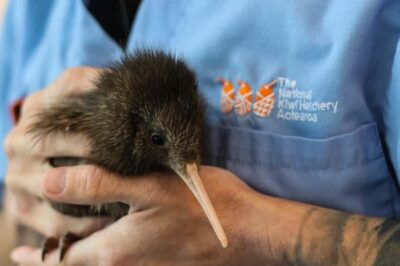

Clearwater Wildlife Tours (small group 10max) Otago Peninsula
Read our review →
Guided Evening Penguin Viewing Otago Peninsula, Dunedin, New Zealand
Read our review →
Browse the lists this tour appears in