
Reviewed · WILDLIFE
Small Group Daytime 2-Hour Eco Wildlife Tour at Zealandia
Zealandia gives you something rare in a city visit: a close look at New Zealand wildlife in a protected valley, with a guide who can turn a distant bird call into a story. You may see kākā, tūī, bellbirds, tuatara, green geckos, and, with luck, the flightless takahē.
I like the small group of up to 12 because it leaves room for questions and quiet listening. I also like that the $43.44 price includes sanctuary admission, so you are paying for both the guide and entry to a major conservation project, not just a short walk.
The main caution is mobility. This is a walking tour over sanctuary tracks, and one group found that a mobility scooter limited where the guide could go. The tour runs in all weather, too, so bring suitable clothing and expect a moderate level of physical activity.
Key points to know before you book
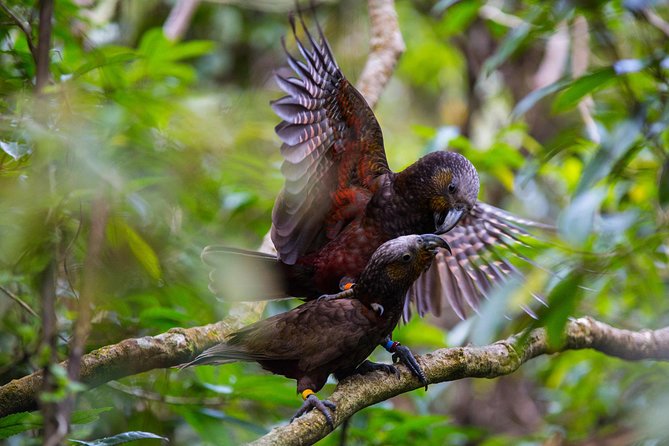
- Listen for birds as much as you look for them: Your guide may identify tūī, bellbirds, hihi, saddlebacks, and other species by sound before you see them.
- The opening film matters: The visit begins at the centre with an introduction and short film about Zealandia’s conservation work.
- Rare wildlife is possible, not promised: Kākā, tuatara, and native birds are common possibilities, but takahē and other rare species depend on luck.
- Small means personal: Groups are capped at 12, giving you a better chance to ask questions and stop for photographs.
- Plan for two hours on foot: You walk through forest and wetland areas, stopping at viewpoints and feeding stations.
- Admission is included: At $43.44, the fee covers entry and the professional guide, but not food, drinks, or transport from your hotel.
Why Zealandia is different from a standard wildlife park
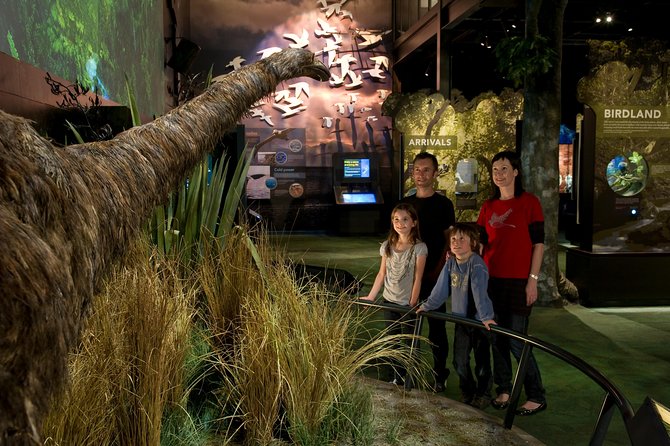
Zealandia is not simply a collection of animals behind exhibits. It is a fully fenced urban eco-sanctuary, designed to protect native species and restore a damaged ecosystem over a very long period.
That idea shapes the whole visit. You are walking through forest and wetlands where birds and reptiles are part of a wider conservation effort. The fence is not a small detail. It is central to Zealandia’s work, helping keep introduced predators away from vulnerable native wildlife.
The sanctuary’s long-range goal is often described as a 500-year vision. That gives the visit a useful sense of scale. You are not just ticking off bird names. You are seeing one stage of an attempt to bring back a form of New Zealand nature that was badly reduced by habitat loss and introduced predators.
I find that context especially useful if you are new to New Zealand wildlife. A guide can explain why a flightless bird such as the takahē matters, why bird calls are worth learning, and how habitat restoration supports species that cannot thrive in ordinary city parks.
More wildlife in Wellington:
- Seal Coast Safari – Exclusive access to Wellington’s secret coast
★ 5.0 · 294 reviews - Wellington: Half Day Seal Coast Safari
★ 4.9 · 245 reviews - Gannet Safaris Overland tour to Cape Kidnappers Gannet Colony
★ 5.0 · 942 reviews
Starting at the Visitor Centre on Waiapu Road
You make your own way to the Zealandia Visitor Centre at 53 Waiapu Road in Karori, just outside central Wellington. Arrive 15 minutes before your selected morning or afternoon departure. The centre is near public transport, but hotel pickup and drop-off are not included.
The tour begins at the ticket desk with an introduction to the sanctuary. You then watch a short film on a large screen. This is a good opening because it gives the walk a clear purpose before you set off. Without it, the sanctuary could seem like a pleasant patch of bush with birds. With it, you understand the scale of the conservation work and the reason for the fence.
The meeting point is also where the tour ends, which keeps the day simple. You do not need to arrange a second pickup point or keep checking the time for a distant finish.
One practical transport tip comes from the timing of the first tour. If you are taking public transport for a 10 a.m. departure, the free shuttle buses may not begin early enough for the meeting time. Other buses run along the road, and some visitors have used those instead. Check the current transport details before you leave, and allow more time than the 15-minute arrival requirement if you do not know the area.
Following the forest and wetland tracks
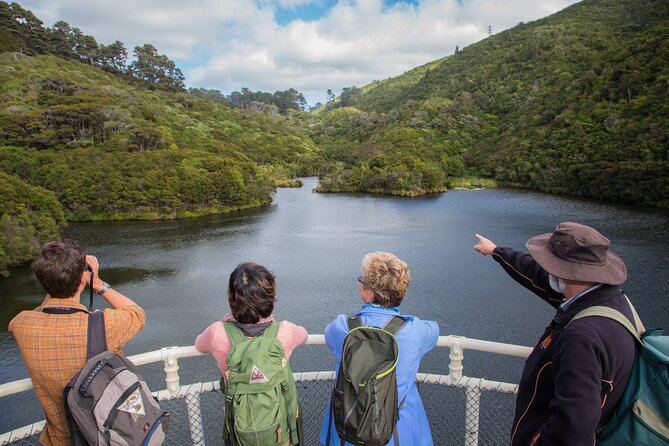
After the introduction, you follow your guide into the sanctuary along a mix of tracks and trails. The route includes forest, wetland areas, viewpoints, and feeding stations. The exact wildlife you see will vary, but the guide’s role is to help you notice what is easy to miss.
That is where this tour earns its keep. Walking alone, you may hear a call and have no idea what made it. A good guide can point out the source, explain the species, and add a short piece of natural history. Guides named in tour feedback include Manuela, Ruth, Oliver, Matt, Don, Gill, and Roy. Your guide will vary, but the repeated strength of the experience is clear: the best part is often the interpretation, not simply the path.
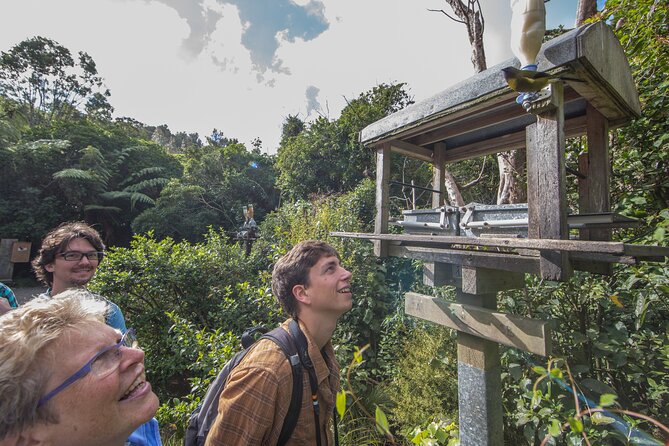
Expect pauses. The group may stop at a feeding station, wait quietly beside the track, or look toward a tree after hearing movement. One of the most enjoyable parts of the tour can be standing still and listening while the guide identifies calls around you.
The pace is not presented as a hard hike, but you should be comfortable walking for two hours. The tour information calls for moderate physical fitness. One particularly important point is access: the tracks are suitable for many abilities, but the route may be restricted if someone in the group needs a mobility scooter. If access is a major concern, ask Zealandia about the planned route before booking rather than assuming every section will be available.
The birds you may see and hear
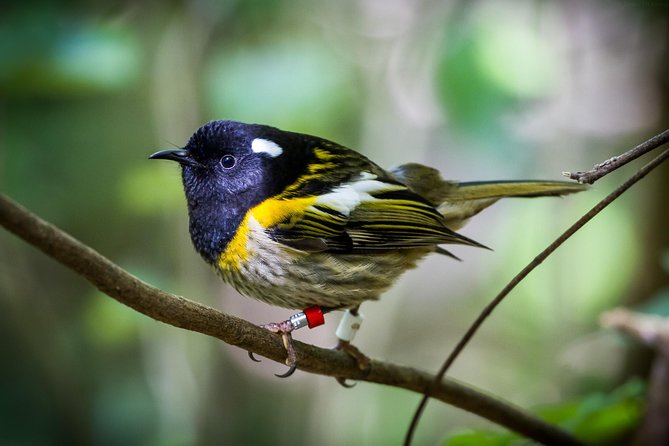
Zealandia is especially strong for native birdlife. The species listed for the walk include kākā, kākāriki, tūī, tīeke or saddleback, hihi, and bellbirds. You may also see takahē, one of New Zealand’s best-known flightless birds.
Kākā are bush parrots, and their presence gives the sanctuary a very different feel from a typical urban park. Kākāriki are small parakeets, while tūī and bellbirds bring distinctive calls to the forest. Tīeke and hihi are less familiar names for many first-time visitors, which makes the guide’s help valuable.
You should not treat the species list as a guarantee. Wildlife is unpredictable, and no responsible guide can promise a takahē or a particular reptile. The experience works best when you enjoy the search itself. You may see a bird clearly, catch only a flash of movement, or learn more from a call overhead than from a perfect photograph.
Photography is allowed, but keep your camera ready without letting it take over. The guides make time for pictures and questions, yet the quiet pauses are part of the experience. If you spend the entire walk looking down at a screen, you can miss the calls that make the sanctuary special.
A few more things to do in Wellington worth a look
- Milford Sound: 2-Hour Small Boat Scenic Cruise
★ 4.8 · 2,561 reviews - 2-Hour Milford Sound Scenic Cruise
★ 5.0 · 1,520 reviews - Whitianga: 2-Hour Cathedral Cove and Volcanic Coast Cruise
★ 4.8 · 816 reviews - Queenstown: 2-Hour Zipline Tour with 4-Lines
★ 4.7 · 462 reviews
Tuatara, geckos, and the smaller discoveries
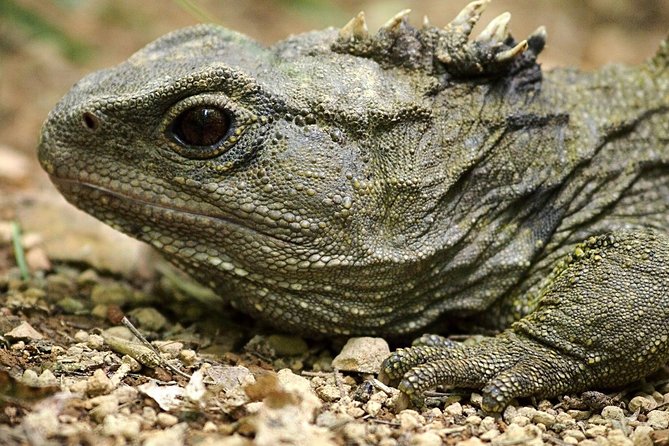
The tour also looks for reptiles, including tuatara and green geckos. Tuatara are a major draw because they are found only in New Zealand and are unlike the reptiles most people know from other parts of the world.
You might see one resting in a sheltered place or moving through the habitat, but sightings are not certain. The same applies to green geckos. A guide can improve your chances by knowing where to look and what signs to watch for, though you still need patience.
This is another reason I would choose the guided walk over a self-guided visit if you have only two hours. A sign can give you facts, but a guide can notice a small movement, explain why it matters, and help the whole group look in the right spot.
The sanctuary also gives you a chance to learn about native plants and the wider ecosystem. Several guides have been praised for discussing trees, bush, wildlife, and the history of New Zealand’s ecology rather than focusing only on birds. That broader view makes the visit more useful for anyone interested in how the parts of a habitat fit together.
What the small-group format adds
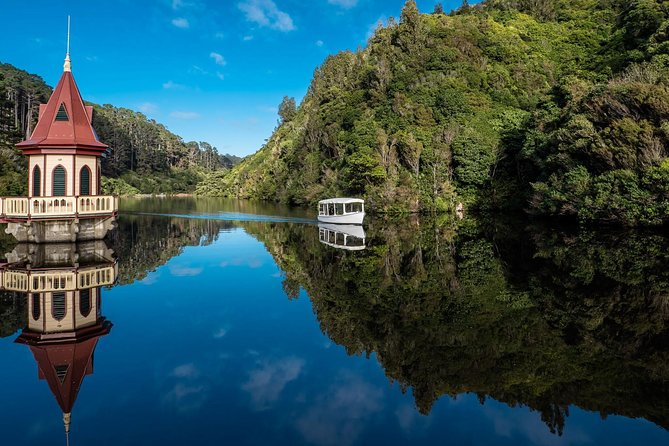
The group limit is 12 people per booking. That is small enough for a guide to hear your questions and for the group to gather around a bird or viewpoint without feeling like a large procession.
I value the format most during quiet listening stops. In a big group, one late arrival or loud conversation can spoil the moment. Here, the guide has a better chance of keeping everyone focused while still allowing time for photographs.
The format is also useful for families and mixed-interest groups. Children must be accompanied by an adult, and the guide can explain the wildlife in a way that works for different ages. Adults who already know something about birds can ask more detailed questions. Those who are new to New Zealand nature can simply follow along.
Still, a small group does not guarantee a private tour. Other people may have different walking speeds, photography habits, or access needs. One negative experience came from a group whose route was shortened to accommodate a mobility scooter. This is not an argument against access. It is a reminder to ask how the group route will work if your party has specific mobility needs.
Weather, food, and the practical details
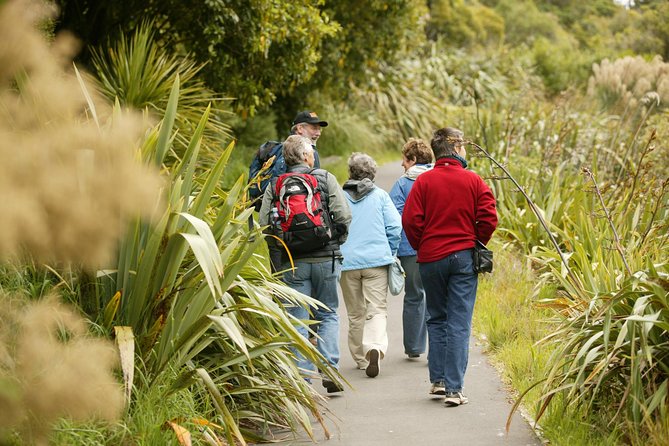
The tour operates in all weather. Wellington can bring drizzle, wind, fog, or bright sun in the same visit, so dress for changeable conditions. A waterproof outer layer and sturdy walking shoes are sensible choices. Photography is allowed, but protect your equipment if rain is forecast.
Food and drinks are not included. Alcoholic drinks are available to buy, and the sanctuary cafe has received praise for its food, but you should not count on a meal as part of the tour fee. One visit also found the cafe short of coffee, so it is wise to treat the cafe as a convenience rather than the main reason to book.
The experience lasts about two hours and finishes back at the Visitor Centre. Children need an accompanying adult, service animal entry should be checked before booking, and the maximum group size is 12.
The cancellation terms are straightforward: cancel at least 24 hours before the local start time for a full refund. Changes or cancellations inside that window are not accepted for a refund.
Is $43.44 good value?
At $43.44 per person, the tour costs more than simply entering a park and walking alone. The price includes sanctuary admission and a professional guide, which changes the calculation.
If you already know New Zealand birds, enjoy reading signs, and have several hours to explore, self-guided entry may suit you better. But if you have limited time in Wellington, the guide helps you use those two hours well. You are paying for help with identification, access to local stories, and a focused route through a large sanctuary.
The conservation mission also gives the admission a wider purpose. Your money supports a place working to protect native species and restore habitat, rather than only providing a short entertainment stop.
The tour is rated 4.8 out of 5 from 223 ratings, with 96 percent recommending it. The strongest praise centers on passionate guides, bird identification, the sanctuary’s mission, and the chance to see native wildlife in a natural setting. The few serious concerns focus on route access and one failed attempt to contact the provider for a cancellation. Those are useful warnings, but they do not change the basic value for most visitors.
Who should book this Zealandia walk?
I would recommend it to first-time visitors to Wellington who want a nature experience without leaving the city area. It is also a strong choice if you care about conservation, enjoy bird calls, or want a guide to explain why New Zealand’s native species are unusual and vulnerable.
Families can benefit from the short duration and variety of wildlife, though young children need to stay with an adult and should be ready for quiet stretches of walking. Birdwatchers will get the most from the tour if they bring patience and listen closely, even if they do not own specialist equipment.
I would think twice if you need a fully accessible route, dislike walking in poor weather, or want guaranteed sightings of a particular species. In those cases, ask about the route and current conditions before paying.
For most people, the guided option is worth choosing over a solo wander. You can always explore at your own pace if you have extra time, but you cannot easily recreate the guide’s ability to identify a distant call or spot a small reptile in the bush.
FAQ
Where does the Zealandia tour begin?
It begins at the Zealandia Visitor Centre ticket desk, 53 Waiapu Road, Karori, Wellington 6012. The tour also ends back at the Visitor Centre.
How long does the tour last?
The guided walking tour lasts approximately two hours.
What wildlife might I see?
You might see kākā, kākāriki, tūī, tīeke or saddleback, hihi, bellbirds, tuatara, and green geckos. Rare takahē may also be seen, but sightings are not guaranteed.
Is admission to Zealandia included?
Yes. Sanctuary admission is included in the tour price.
How large is the group?
The activity has a maximum of 12 people per booking and a maximum of 12 travelers on the tour.
What should I bring?
Dress for all weather conditions and wear clothing suitable for walking. Photography is allowed. Food and drinks are not included, though alcoholic drinks are available to purchase.
Can I cancel for a full refund?
Yes, if you cancel at least 24 hours before the experience start time. Cancellations or changes made less than 24 hours before the start time are not accepted for a refund.
Just added in Wellington
- Private Martinborough Foodie Delights Tour from Wellington★ 5.0 · 23 reviews
- Remutaka Rail Trail Mountain Bike Explorer Cycle Tour★ 5.0 · 30 reviews
- Wellington Remutaka Rail Trail eBike Cycle Tour★ 5.0 · 23 reviews
- From Wellington: Remutaka Rail Trail eBike Tour★ 4.9 · 54 reviews
- Remutaka Rail Trail Mountain Bike Explorer Cycle Tour★ 5.0 · 49 reviews
- Martinborough Winery and Foodie Day Tour with vineyard lunch★ 5.0 · 39 reviews
- Martinborough Foodie Half Day Tour from Wellington★ 4.5 · 104 reviews
- Wellington: Guided Sightseeing Tour by Electric Bike★ 4.7 · 114 reviews
Wildlife, compared.
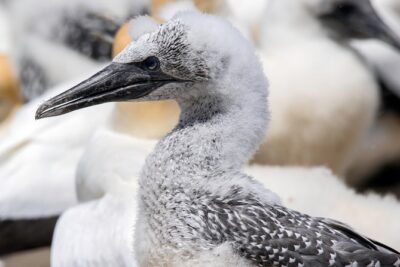
Gannet Safaris Overland tour to Cape Kidnappers Gannet Colony
Read our review →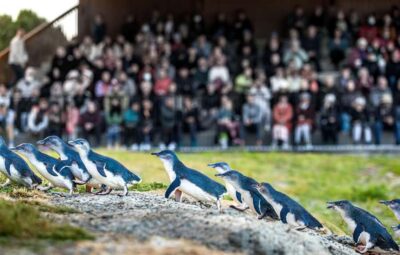

Clearwater Wildlife Tours (small group 10max) Otago Peninsula
Read our review →
Guided Evening Penguin Viewing Otago Peninsula, Dunedin, New Zealand
Read our review →
Browse the lists this tour appears in