
Reviewed · MAORI CULTURAL EXPERIENCES
Rotorua: Whakarewarewa Village Guided Tour
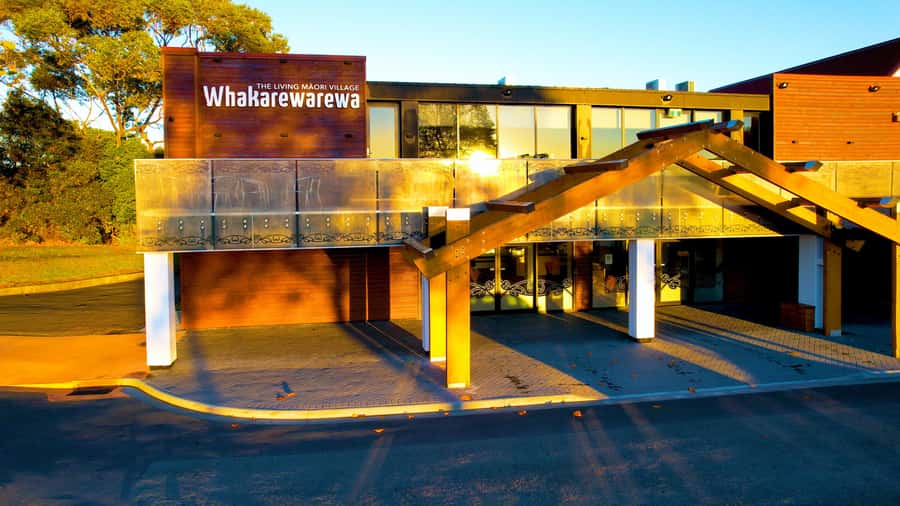
At Whakarewarewa, geothermal power is not a backdrop. It is part of daily life. Steam rises beside homes, corn cooks in mineral water, and bathing takes place in warm pools used by the community for generations. The one-hour tour connects these sights with Māori traditions and family stories.
I like the way the tour joins living village life with Rotorua’s volcanic wonders, rather than treating the hot pools as a collection of scenery. I also like the guides’ personal connection to the place. Guides such as Daniel, Faye, Teeao, and Keighly have been praised for warmth, humour, and clear explanations. The main consideration is time: one hour gives you a useful introduction, but not a slow, all-day look at every part of the village.
Key points to know before you go
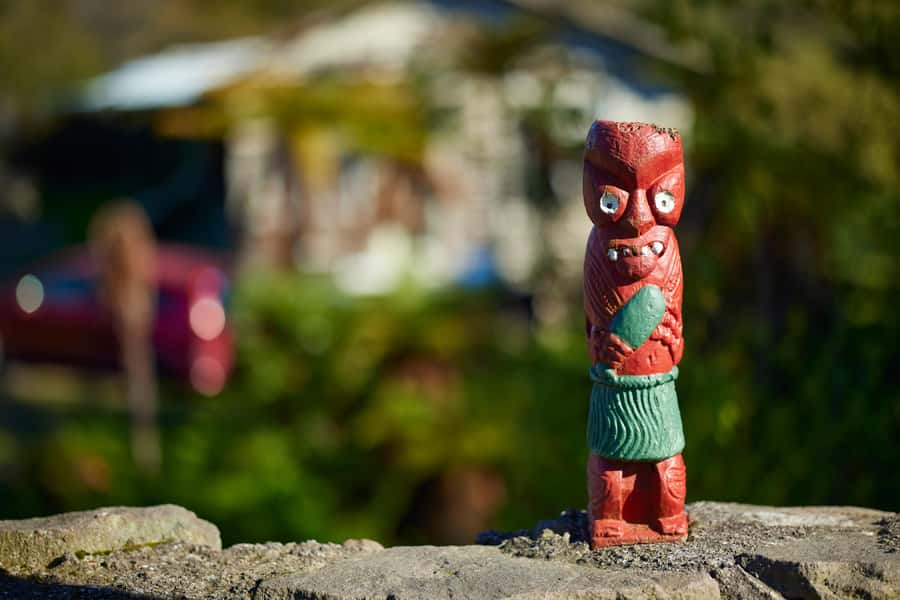
- Corn cooked in the springs: Your included tasting is prepared in the village’s geothermal water and served hot.
- Pōhutu from village lookouts: You get broad views of the famous geyser, though steam and eruption timing can vary.
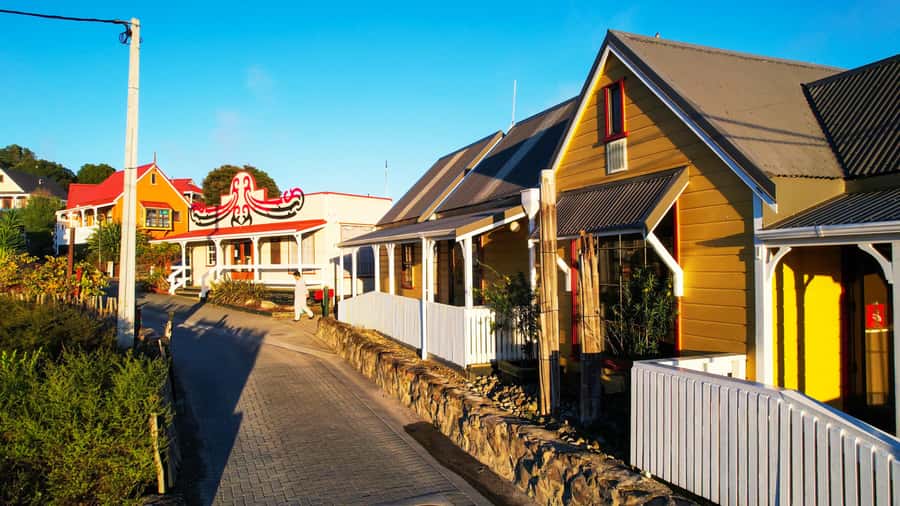
- A living Māori community: This is a functioning village, not simply a museum display.
- Family-linked guides: The guides are connected to the village and explain its customs through personal knowledge.
- Outdoor in every kind of weather: Bring comfortable shoes, a camera, and suitable clothing for rain or sun.
- Good value at $28: The hour combines admission, guiding, geothermal sights, and a food tasting.
Why Whakarewarewa feels different from a standard geothermal stop
Rotorua gives you several ways to see geothermal activity. Some places focus mainly on geysers, mud pools, and dramatic earth science. Whakarewarewa adds the human story: people have learned how to cook, bathe, and heat homes in a difficult geothermal setting.
That difference matters. A boiling pool is interesting on its own, but it becomes more memorable when you understand how it fits into everyday life. You will see steam vents and bubbling water, then hear how these resources have been used for cooking and bathing. The result is a tour about both nature and adaptation.
The village is described as a living Māori village because people still live there and use the geothermal resources. That gives the experience a sense of place you cannot get from a display behind glass. At the same time, you should remember that the tour is a guided introduction, not an invitation to wander through private life. Listen carefully, stay with the group, and treat sacred areas with respect.
Other Maori cultural experiences around Rotorua:
- Mitai Maori Village: Cultural Experience and Dinner Buffet
★ 4.7 · 3,575 reviews - Cultural Experience & Seasonal Māori Cuisine at Te Pā Tū
★ 5.0 · 1,546 reviews - Mitai Maori Village Cultural Experience in Rotorua
★ 4.5 · 1,294 reviews
Starting at the Geyser Café and admissions building
Your meeting point is the Geyser Café. Arrive 15 minutes early, since you must exchange your voucher at the admissions building before the tour begins. This small bit of planning matters because the tour starts with a safety briefing and the group moves out promptly.
The café is also useful if you need a quick drink or snack before walking. The activity itself lasts one hour, so you do not need to set aside half a day. You can pair it with another Rotorua attraction, a meal, or a longer visit to the surrounding geothermal area.
The tour is wheelchair accessible, but the experience takes place outdoors and includes paths around hot pools and geothermal features. The available information does not specify every surface or slope, so anyone with particular mobility needs should confirm the route details before booking.
The first five minutes: safety around hot water and steam
The guided portion begins with a safety briefing of about five minutes. This is not wasted time. Whakarewarewa contains boiling pools, steam vents, bubbling water, and unstable geothermal ground. You need to understand where to walk and why staying with the guide matters.
The briefing also sets the tone for the whole visit. Geothermal activity can look inviting, especially when steam rises from a warm pool, but these are working natural features, not swimming areas. Your guide helps you read the setting safely while explaining how local people use selected resources.
The tour runs in all weather conditions. Rotorua can feel warm near the pools but cooler in open areas, and rain can change how much you see through the steam. Wear comfortable shoes and bring a camera, but protect it from rain and condensation. A face mask or protective covering is listed among the recommended items.
Geothermal cooking, bathing, and the famous sweet corn
One of the most appealing details is the corn tasting. Corn on the cob is included, and it is cooked in the mineral springs. The preparation can be part of the show: one guide pulled the corn from the pool in front of the group before serving it.
This simple snack gives you a direct link to the village’s geothermal practices. You are not just hearing that people cook with hot water. You can taste food prepared using the same natural resource. The corn has also been described as hot and delicious, so take care when it is handed to you.
The tour explains how geothermal water supports bathing and household routines. The pools are not merely scenic. Some are used for their warmth and therapeutic qualities, while steam vents and hot water have practical uses. Your guide will explain the local approach, but the exact order and amount of detail can vary with the guide and group.
That variation is worth keeping in mind. Daniel has been praised for energy, humour, and clear explanations. Faye has been described as passionate and funny, with the advantage of living in the village. Teeao was singled out for thorough explanations and attention to detail. The guide you receive will not be known until the day, but the tour’s strongest feature is its direct connection to local life.
A few more things to do in Rotorua worth a look
- Rotorua: Hell’s Gate Outdoor Mud Spa & Guided Walk
★ 4.7 · 1,140 reviews - Rotorua Duck Boat Guided City and Lakes Tour
★ 5.0 · 604 reviews - Whakarewarewa Village Guided Tour
★ 4.5 · 477 reviews - Te Puia: Te Rā Guided Day Tour
★ 4.6 · 396 reviews
Pōhutu geyser and the best lookout views
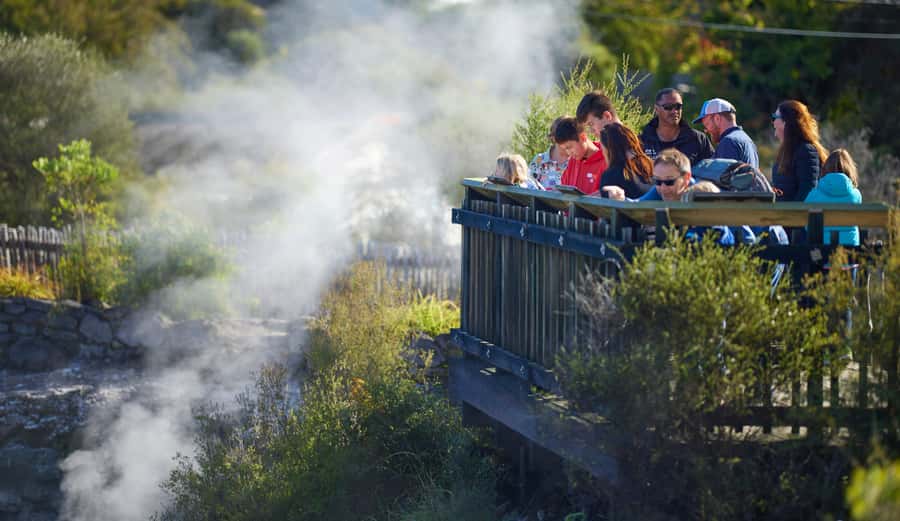
The geothermal valley includes Pōhutu, one of Rotorua’s signature geysers. From the village lookouts, you can take in broad views of the geyser and surrounding hot pools. The view is a strong part of the tour because you get context instead of seeing an isolated eruption from a platform.
Geysers are unpredictable in their exact timing, and steam can sometimes obscure the view. One useful point is that a lookout farther from the geyser may give you a wider picture, while a closer viewing area elsewhere could put you nearer to the eruption. The village tour is especially good if you want to see Pōhutu as part of the wider geothermal setting.
Do not judge the tour solely on whether you see a dramatic eruption at the precise moment you arrive. The value is also in understanding the network of pools, vents, and mineral formations around it. If the air is damp or windy, your guide can help point out features that steam hides from a casual glance.
Silica formations, bubbling pools, and boiling mud
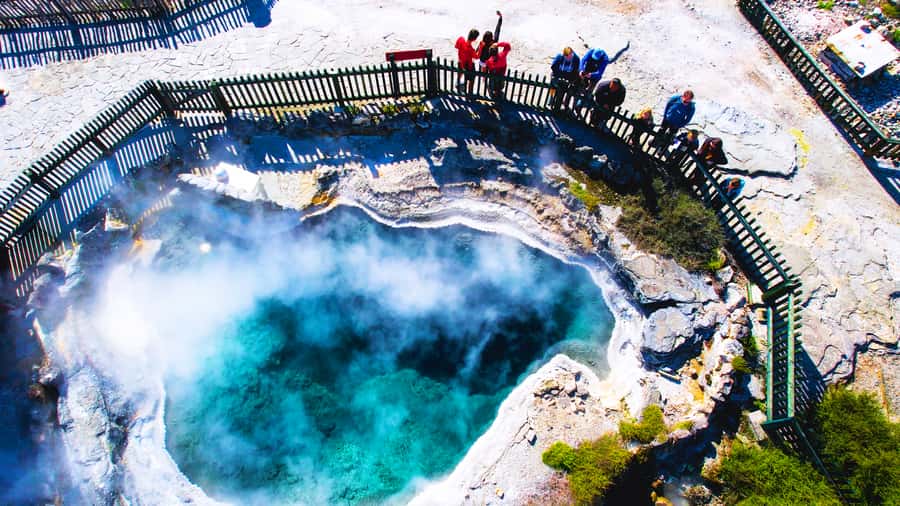
The tour takes you past silica formations created by geothermal water. These pale mineral shapes can look delicate, but they are the result of a long and active natural process. They provide a quieter contrast to the geyser, which tends to draw everyone’s attention.
You will also see boiling pools, bubbling water, and steam vents. These sights are constantly changing in texture and sound. Some pools shimmer quietly, while others pop and churn. The guide’s explanation helps you distinguish one feature from another instead of walking past a pool without knowing what makes it special.
One point to keep realistic: the tour includes geothermal activity, but you may not see every type of feature in the strongest form on every visit. A visitor once found the lack of visible boiling mud disappointing. Weather, steam, viewing position, and natural conditions can affect what is easy to see. The village remains worthwhile for its mix of geothermal sights and cultural information, not for a guaranteed perfect display of every feature.
Marae, memorial archway, churches, and sacred places
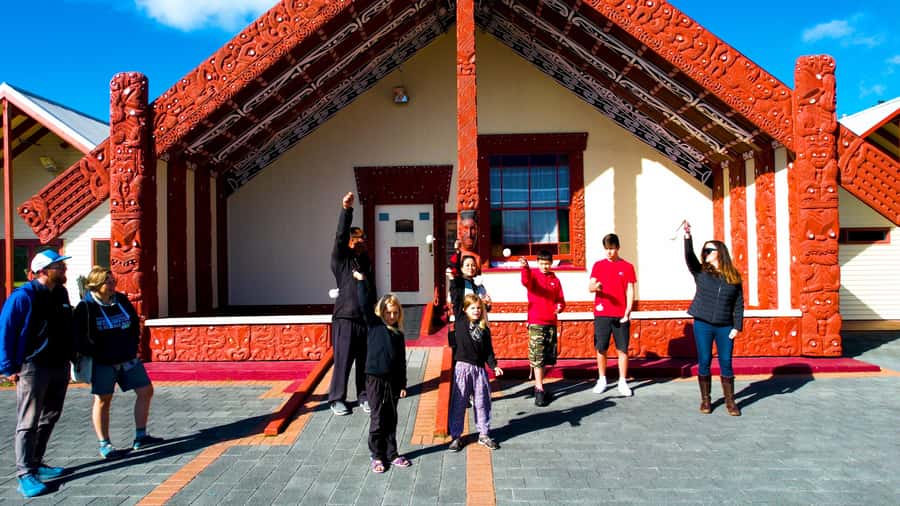
Whakarewarewa is more than hot water and volcanic activity. The route includes historic landmarks and buildings, including an active marae, the meeting ground that serves as a focal point for Māori communities.
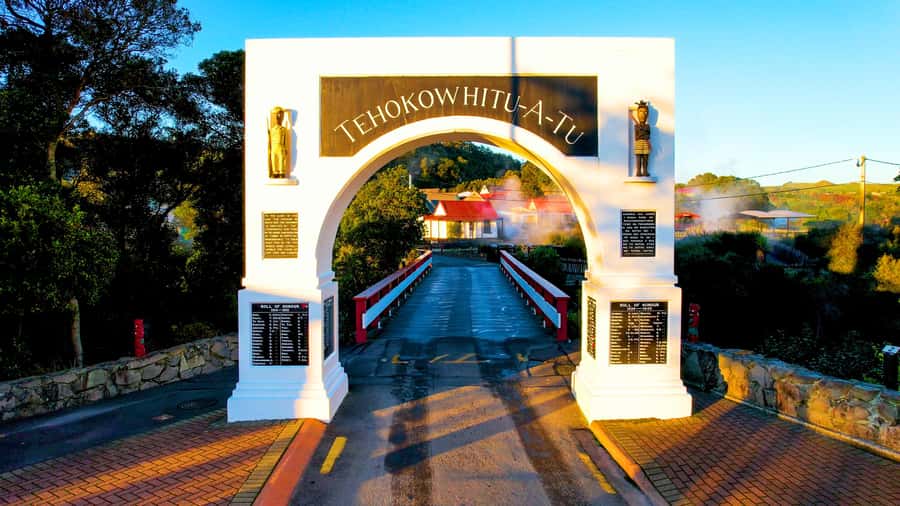
You will also see the village’s World War II Memorial Archway, historic churches, and tapu burial grounds. These places add layers to the visit. The marae points to community life and shared identity. The memorial archway connects the village with national and military history. Sacred burial grounds remind you that this is a place of respect, not simply a sightseeing route.
Your guide is especially important here. A building may look simple from the outside, while its meaning is tied to family, ceremony, or community practice. The tour gives you a chance to ask questions, but listen to the boundaries as well. Sacred spaces should be viewed respectfully and photographed only when appropriate.
What the guides add to the hour
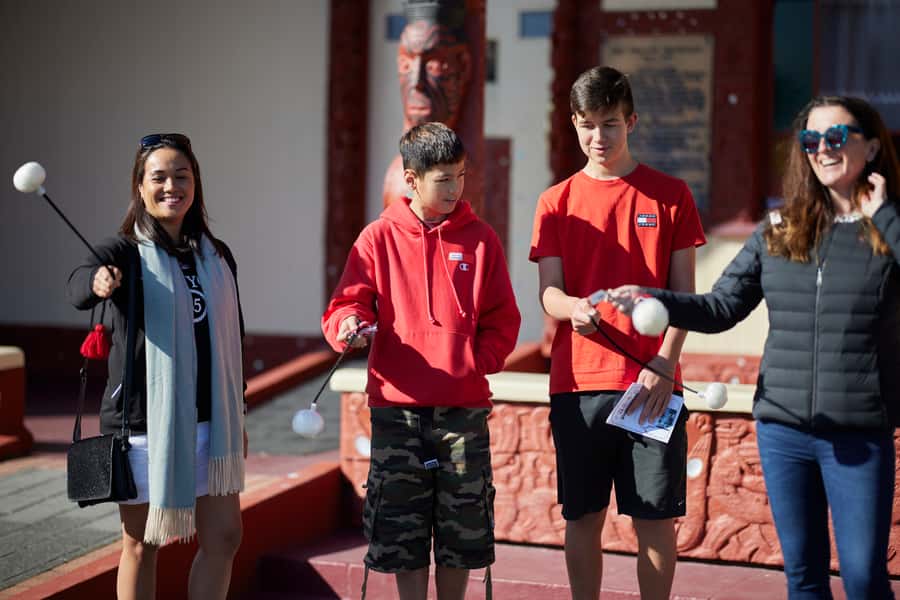
The guides are direct descendants of early Māori guides who helped introduce New Zealand tourism to visitors. That family connection gives the tour a personal voice. You are not receiving only a set of facts about Rotorua. You are hearing stories tied to people who have lived and worked in this place.
Some guides use humour to keep the hour moving. Others focus more on family history, customs, or the practical use of geothermal water. Keighly has been praised for explaining Māori heritage and culture with enthusiasm. Another guide, described as a 19-year-old chief in the family, made a strong impression by explaining village life and serving the corn.
You might also hear a blessing or see a cultural performance, but do not treat those as guaranteed parts of this one-hour product. The core experience is the guided village and geothermal walk with the corn tasting. A separate performance may be available, but check the exact option you are booking.
Is one hour enough?
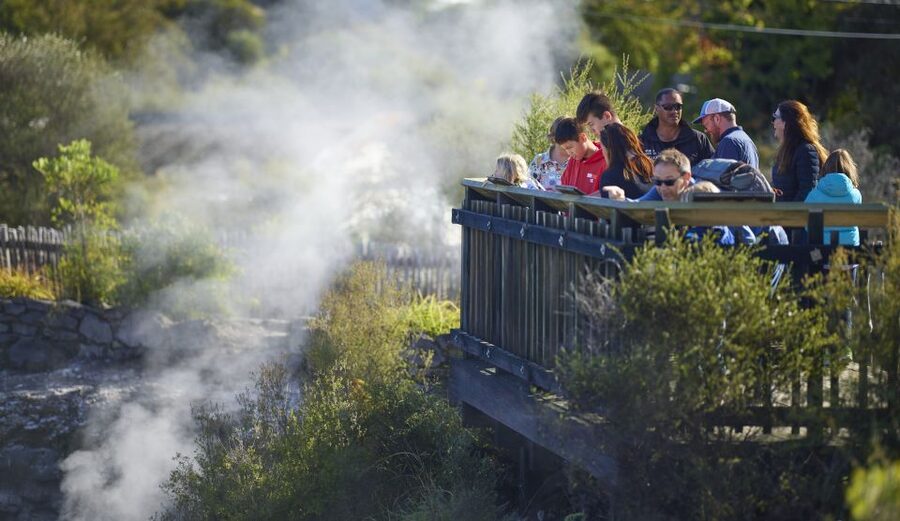
One hour is enough for a clear first look. The route gives you a safety briefing, geothermal features, historic sites, cultural explanation, lookout views, and a food tasting without taking over your day. That makes it easy to fit between other Rotorua plans.
The trade-off is pace. You will not have unlimited time at each pool, and you may want longer for photographs. If you enjoy lingering over geology or asking many questions, the hour may feel short. Some people have appreciated free time after the guided portion to look around at their own pace, but the supplied tour details do not promise a specific amount of extra time.
For most people, the short format is a strength. You get a focused introduction rather than a long walk with repeated explanations. Families and first-time visitors can learn a lot without committing to a full-day activity.
How the $28 price compares with the experience
At $28 per person, the tour offers solid value if you want both Māori culture and geothermal scenery. Admission, a live English-speaking guide, the one-hour walk, and the corn tasting are included. You are paying for interpretation as much as access to the pools.
The guide is what makes the price worthwhile. You could look at geothermal features on your own, but you would miss much of the explanation about cooking, bathing, community life, landmarks, and family connections. The tasting also turns the visit into more than a standard viewing stop.
The price is less compelling if you only want the closest possible view of a geyser or a long cultural performance. In that case, compare the tour with other Rotorua options. Choose Whakarewarewa when you want a compact visit that links the earth beneath your feet with the people who call the area home.
Who will enjoy this tour most?
I would recommend it to first-time Rotorua visitors who want a clear introduction to Māori culture and geothermal activity. It also suits families, since the geysers, bubbling pools, steam, and corn tasting give children several different things to notice.
It works well for anyone interested in how communities adapt to unusual natural conditions. The practical details about cooking and bathing make the experience accessible even if you know little about Māori history or geothermal science.
You may want a different activity if you dislike outdoor tours in uncertain weather, need a very slow pace, or want a long, formal cultural show. The route is active and the hour is structured. Still, the wheelchair-accessible status and short duration make it easier to fit into many itineraries.
Practical tips for a smoother visit
Arrive 15 minutes early and exchange your voucher at the admissions building before the start time. Wear shoes you can walk in comfortably and bring clothing for changing weather.
Keep your camera ready, but do not let photography replace listening. Steam can hide a pool or soften the view of Pōhutu, so your guide’s commentary may be more useful than trying to capture every moment.
If you are sensitive to strong geothermal smells, be prepared for the natural odours around hot pools and steam vents. The tour takes place outdoors in all weather, so rain protection is sensible even on a bright morning.
The activity is conducted in English. Cancellation is free up to 24 hours before the start, and you can reserve now and pay later if that option is offered for your date. Check the available start times when booking.
Should you book Whakarewarewa Village?
Book this tour if you want a short, well-priced introduction to Rotorua that combines Māori community life with serious geothermal activity. The standout feature is the family-linked guiding. Daniel, Faye, Teeao, Keighly, and other village guides have brought humour, personal stories, and cultural pride to the hour.
Skip it if your only goal is a long geyser-viewing session or a guaranteed dance performance. For everyone else, the mix of Pōhutu, boiling pools, sacred places, village history, and freshly cooked corn makes this one of Rotorua’s more useful introductions. It gives you enough context to understand what you are seeing, without consuming your whole day.
FAQ
How long does the Whakarewarewa Village Guided Tour last?
The guided experience lasts one hour, including a safety briefing of about five minutes.
Where does the tour begin?
The meeting point is the Geyser Café. You must exchange your voucher at the admissions building before the tour starts.
What is included in the price?
Admission, the guided tour, and corn on the cob cooked using the village’s geothermal resources are included.
Is the tour available in English?
Yes. The tour has a live English-speaking guide.
What should I bring?
Bring comfortable shoes, a camera, and a face mask or protective covering. The tour takes place outdoors in all weather conditions, so clothing suited to the forecast is sensible.
Can I cancel the tour for a refund?
Yes. You can cancel up to 24 hours before the tour for a full refund. A reserve-now-and-pay-later option is also available.
Just added in Rotorua
- Mt. Tarawera Volcano Scenic Floatplane Tour from Rotorua★ 5.0 · 42 reviews
- 15-Minute Crater Lakes Flight by Floatplane from Rotorua★ 4.5 · 11 reviews
- Whaka Geothermal Trails Self-Guided Tour★ 3.5 · 44 reviews
- Rotorua: Scenic Flight over Mt Tarawera & Waimangu Valley★ 4.9 · 25 reviews
- Mt Tarawera Helicopter Tour with Volcano Landing★ 5.0 · 40 reviews
- Rotorua Highlights Inc. Te Puia & Secret Spot Hot Tubs Day Tour★ 4.5 · 129 reviews
- Lake Rotoiti Evening Kayak Tour including Hot Springs, Glowworm Caves and BBQ Dinner★ 5.0 · 60 reviews
- Mountain Jade Highlights Tour★ 5.0 · 31 reviews
Maori Cultural Experiences, compared.
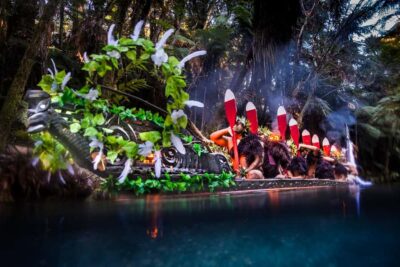
Mitai Maori Village: Cultural Experience and Dinner Buffet
Read our review →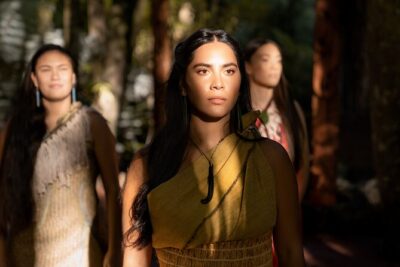
Cultural Experience & Seasonal Māori Cuisine at Te Pā Tū
Read our review →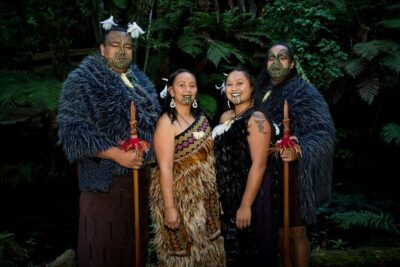
Mitai Maori Village Cultural Experience in Rotorua
Read our review →
Lake Taupo: Classical Sailing to the Māori Rock Carvings
Read our review →
Te Pa Tu Māori Cultural Experience with Dinner
Read our review →
Lake Taupō Māori Rock Carvings Scenic Cruise aboard Ernest Kemp
Read our review →
Waitomo Caves & Rotorua – Te Puia Small-Group Tour from Auckland
Read our review →
Lake Taupo: Maori Rock Carvings 10.30 AM 1.5-Hour Cruise
Read our review →Browse the lists this tour appears in